

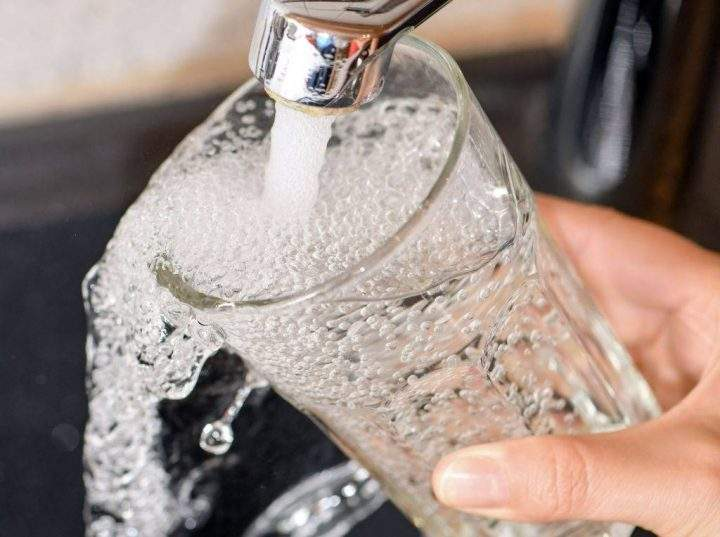
Turn on the tap anywhere in Melbourne and you are drawing from one of the best municipal water supplies in the world. Even so, plenty of households quietly wonder what is actually in that glass, especially when the water carries a faint whiff of swimming pool on a warm afternoon. The good news is that Melbourne Water publishes detailed figures every year, so we do not have to guess. This is an honest look at what comes out of your tap, drawn straight from the latest water quality data, and what it means for you.
Where Melbourne’s Tap Water Actually Comes From
Protected catchments and the nine major reservoirs
Melbourne’s water begins its journey high in forested mountain catchments well to the east and north of the city. Most of the supply comes from protected catchments feeding major reservoirs such as the Thomson, Upper Yarra, Maroondah, O’Shannassy, Silvan, and Cardinia. Melbourne Water reports that these protected catchments provide over 65 per cent of our drinking water, drawn from a total catchment area of around 163,000 hectares that is largely closed to the public, agriculture, and development, which keeps contamination remarkably low before treatment even begins.
Why the source matters before water ever reaches treatment
This protected-source model is the quiet hero of Melbourne’s water story. Because the rainwater filters through forested slopes and shallow soil rather than mineral-rich limestone, it arrives at the reservoirs already clean and very soft. That means far less treatment is needed than in many other cities. The remaining portion of the supply comes from open catchments and receives fuller treatment at plants like Winneke and Tarago, yet it is held to exactly the same safety standard. In other words, where your water starts shapes everything that follows.
What Melbourne Water Adds and Why
Chlorine: the disinfectant that keeps the network safe
Chlorine is the primary disinfectant used across the network, and it does an essential job. It keeps the water free of harmful bacteria all the way from the treatment plant to your kitchen, including the long journey through kilometres of pipework. Importantly, Melbourne uses free chlorine rather than the chloramine adopted by Sydney, Brisbane, and several other capitals. This distinction matters a great deal when it comes to filtering, as we will see shortly.
Fluoride: added by law for dental health
Fluoride is added to Melbourne’s water under the Health (Fluoridation) Act 1973, primarily to support dental health across the population. It is dosed carefully to sit within a tight, well-monitored range. This is not an optional extra that your local retailer chooses to include; it is a public health measure mandated by Victorian law and applied consistently across the supplied network.
pH correction and what it protects
Melbourne Water also corrects the pH of the water during treatment. Because the naturally soft source water is slightly acidic, lime or similar agents are added to nudge it towards neutral. This protects your pipes and fittings from corrosion and keeps the treatment chemistry working as intended. It is a behind-the-scenes adjustment most people never think about, yet it quietly safeguards your home plumbing.
What the Latest Water Quality Report Tells Us
Chlorine, fluoride and pH levels at a glance
The published figures paint a reassuring picture. Drawing on the typical analysis in the Melbourne Water quality testing data, typical readings sit around:
- Chlorine: about 0.65 mg/L, well under the Australian Drinking Water Guidelines health limit of 5 mg/L
- Fluoride: roughly 0.79 mg/L, within the recommended 0.6 to 1.1 mg/L range and below the 1.5 mg/L maximum
- pH: around 7.4, comfortably inside the guideline band of 6.5 to 8.5
- Hardness: approximately 16 mg/L, classified as soft
Every one of these sits well within the guidelines, which is exactly what you want to see.
Turbidity and trace sediment
Turbidity, a measure of water clarity, typically reads around 0.8 NTU against a guideline of 5 NTU, so the water is genuinely clear. You may notice slight seasonal variation after heavy rainfall, when run-off can briefly nudge sediment levels higher, but it remains well within safe limits. The occasional trace of sediment you might spot in an older home is more often from your own ageing pipes than from the supply itself.
What’s tested but rarely talked about
Melbourne Water tests for more than 50 parameters, far beyond the handful most people know about. That includes metals, pesticides, and PFAS, and Melbourne Water’s monitoring shows these sit well below health-based guideline values, with PFAS detections rare and below the relevant guidelines. Disinfection by-products such as trihalomethanes are also extremely low, thanks to the clean source water. E. coli, the key marker for microbiological safety, is consistently not detected.
Is Melbourne Tap Water Safe to Drink?
Yes, it meets the Australian Drinking Water Guidelines
Let us answer the headline question plainly. Yes, Melbourne’s tap water is safe to drink. It consistently meets the Australian Drinking Water Guidelines across every monitored parameter, and it is independently regarded as among the safest municipal supplies anywhere.
But “safe” is not the same as “tastes good” or “treatment-free”
Here is the honest nuance, though. Safe to drink and pleasant to drink are two different things, and so is the idea of water being entirely free of treatment traces. Your water is safe by every measure, yet it still carries the chlorine that keeps it that way. Acknowledging that is not scaremongering; it is simply being straight with you about what safe actually means.
Why some people still notice a chlorine taste or smell
The taste threshold for chlorine sits around 0.6 mg/L, which is right about where Melbourne’s typical level lands. That is precisely why so many people detect a faint pool-like taste or smell, particularly in tea, coffee, or a cold glass straight from the tap. You are not imagining it, and your concern about taste is perfectly valid even though the water is completely safe.
Who Benefits Most from Filtering Their Water
Filtering is a personal choice rather than a necessity in Melbourne, but some households gain more from it than others. You are likely to notice the biggest difference if you fall into one of these groups:
- Families with young children, who often reject the taste of chlorinated water and reach for juice or soft drink instead
- Immunocompromised household members, for whom an extra layer of reassurance is genuinely worthwhile
- People sensitive to chlorine taste or smell, who simply want their water to taste clean
- Homes on tank or rainwater supply, where filtration plays a more active protective role
If none of these apply, your tap water is perfectly fine as it is. If one or two do, a filter can make daily life noticeably more pleasant.
Choosing the Right Filter for Melbourne Water
Why carbon filters suit free-chlorine systems
This is where Melbourne’s use of free chlorine becomes a real advantage. A good quality carbon filter removes free chlorine extremely effectively, which means you do not need an elaborate, expensive system to fix the taste. A straightforward under-sink or bench-top carbon unit handles the job beautifully, stripping out that pool-like edge while leaving you with clean, great-tasting water. You can explore the full range of options on our Water Filter Melbourne page.
When professional installation makes the difference
Simple filters are easy enough to fit yourself, but anything that taps into your mains is worth handing to a licensed plumber. Correct installation protects your warranty, avoids leaks, and ensures the unit performs as intended for years. If you are already booking a plumber for other jobs around the kitchen, such as sorting out a leaking or worn tap, it often makes sense to have the filter fitted at the same time.
Clean, Confident Water Starts with the Right Setup
Melbourne’s tap water is something to be proud of: clean, soft, rigorously tested, and safe by every guideline that matters. Choosing to filter it is not about fixing a problem so much as fine-tuning your water to suit your household and your taste. Whether you want to banish that chlorine tang or add peace of mind for the family, the right setup makes all the difference. To talk through the best option for your home, get in touch with 24Hour Melbourne Plumbers and enjoy clean, confident water from every tap.
Recent Comments